432 thery

You’re not looking for just another workout. You’re looking for yourself.

Estrogen has been quietly running five systems in your body, and it’s starting to hand them back.

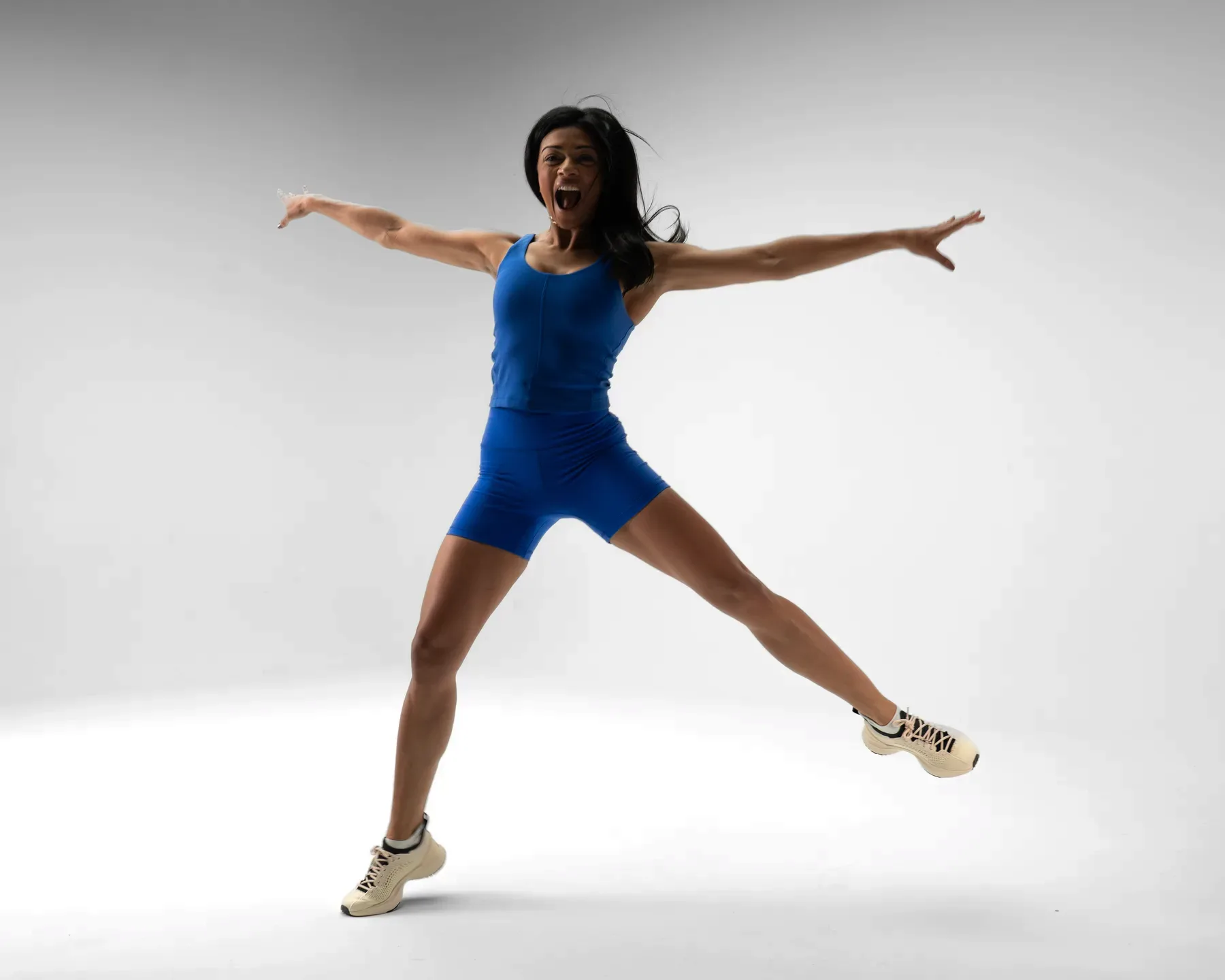
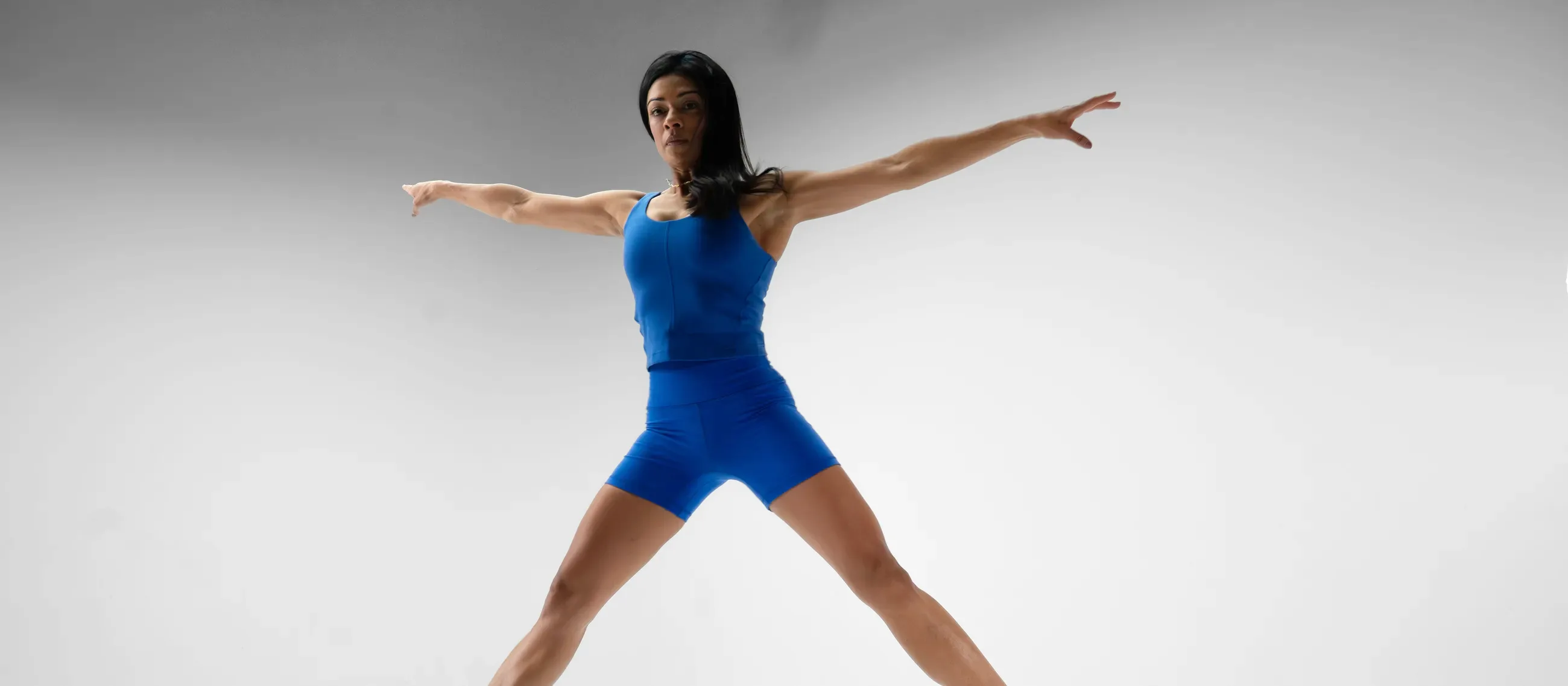
Divya mid-jump, arms and legs wide, on a bright studio floor

Estrogen was doing five jobs. It’s handing them back.

Somewhere in your forties, sometimes earlier, estrogen begins to withdraw. It had been doing a lot of quiet work along the way: in your bones, your brain, your heart, your pelvic floor, your muscle.

How that lands varies enormously. Some women feel all of it. Some feel almost nothing for years. Most sit somewhere in the middle and have no idea that’s where they are, because what actually shows up rarely resembles the list anyone handed them.

Things are different now, and that part is real. Midlife still doesn’t have to be a symptom checklist you work your way down.

Every one of the five responds to training. The rest of this page is how.

The five systems, one at a time.

Each one below: what changes, the single rule that follows from it, and the evidence underneath.

  • Osteo

    Bone, power and balance

  • Neuro

    Brain and cognition

  • Cardio

    Heart and endurance

  • Pelvic Floor + Core

    Foundation and function

  • Metabolic

    Muscle and insulin

We program the music like we program the sets.

Look back at the Neuro pillar and rhythm is sitting in it, next to coordination and timing. It is on the list of things the training is meant to work. So the track is not the mood this happens in. It is one of the inputs.

Which is why every workout gets a tempo that belongs to it. Osteo is spacious, because you shouldn’t have to rush a heavy rep. Cardio climbs. Pelvic floor drops to the speed of your breath.

Divya is a trained dancer, so the movement is built on the track rather than counted over the top of it.

432 is beats per minute, not hertz.

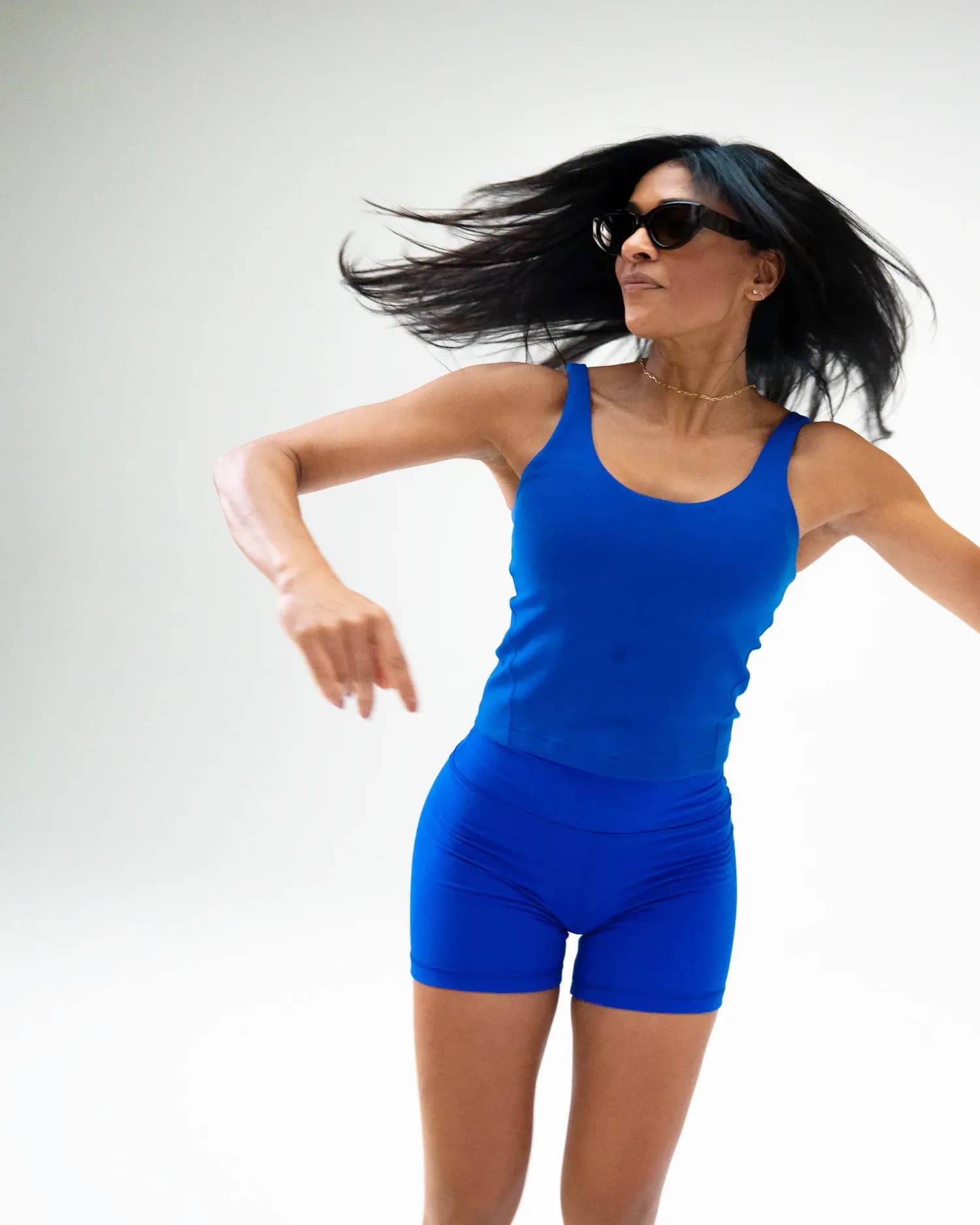
Divya dancing, hair in motion

Pillar one

Osteo

Bone density can drop by up to a fifth in the years right after menopause, which makes the years before it the ones that count. Bone is living tissue. It responds to being asked.

Load beats volume. Six to ten hard reps do more than twenty easy ones.

The science

More than 70% of women get musculoskeletal symptoms through the transition, and it starts earlier than most people expect. This isn't only bone: estrogen receptors sit in muscle, tendon, ligament, cartilage and fascia, so the whole structure is in the conversation.

We train it on Dr. Vonda Wright's F.A.C.E. framework. Flexibility through end-range control, aerobic work that stays low-impact, carry a load meaning resistance that actually progresses, and equilibrium, because balance is trainable and falling is not inevitable. Plus unilateral and offset loading, and movement in every plane.
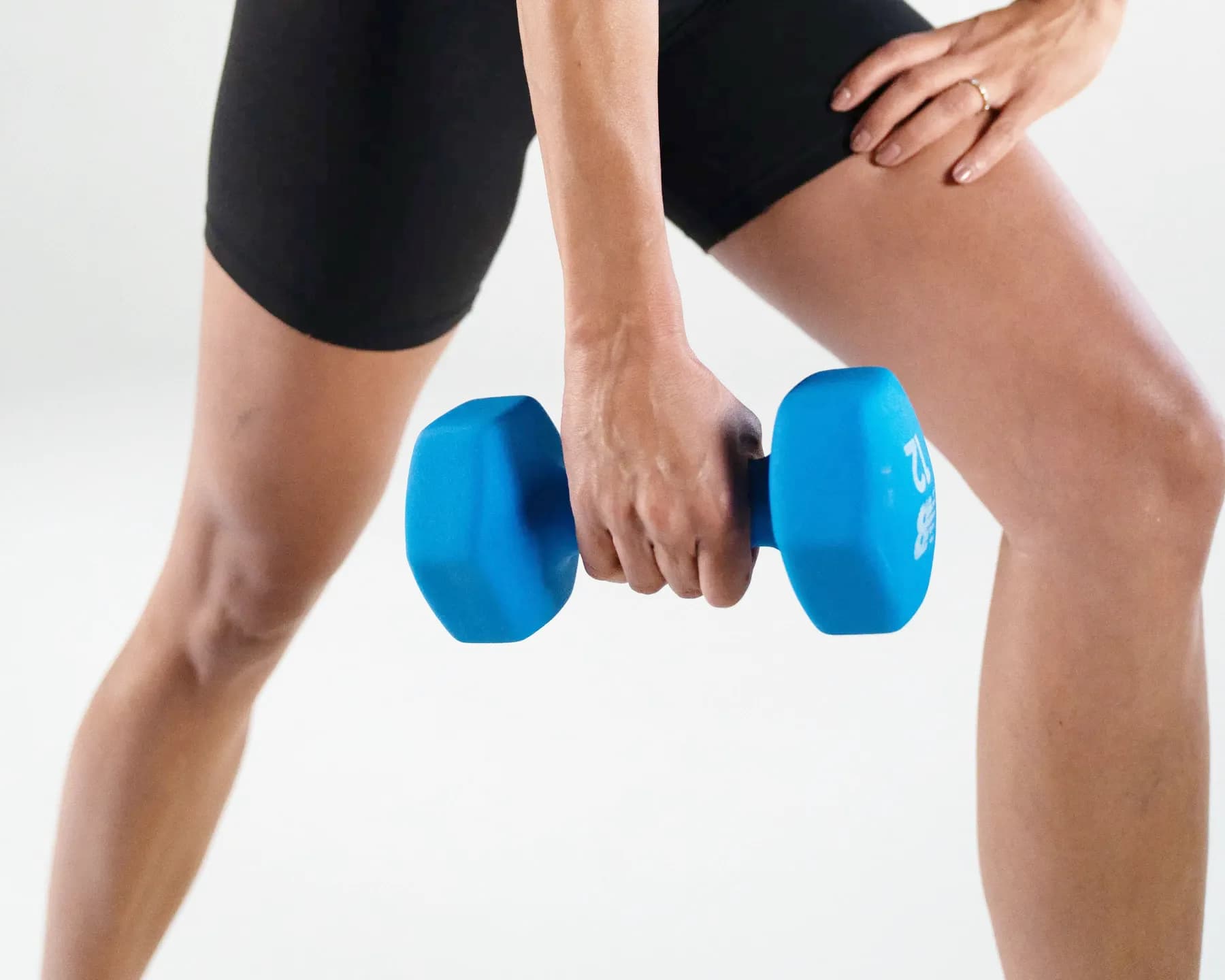
A hand holding a dumbbell at the hip, mid-set

Pillar two

Neuro

This is a neurological transition, not only a hormonal one, and the brain fog has a mechanism behind it. Here's the part nobody tells you: neuroplasticity doesn't expire. The brain is still listening.

Complexity beats intensity. If you feel slightly clumsy, it's working.

The science

Estrogen supports brain energy metabolism, blood flow, structure and connectivity. Women are roughly twice as likely to develop Alzheimer's, and the risk curve starts bending in midlife, which is exactly why this is the window where what you do about it compounds.

Strength and Zone 5 work are the physiological foundation. On top of that, cross-body coordination, rhythm and timing to music, sequences you have to think about, agility and reaction, and genuinely new movement. Learning is the point.

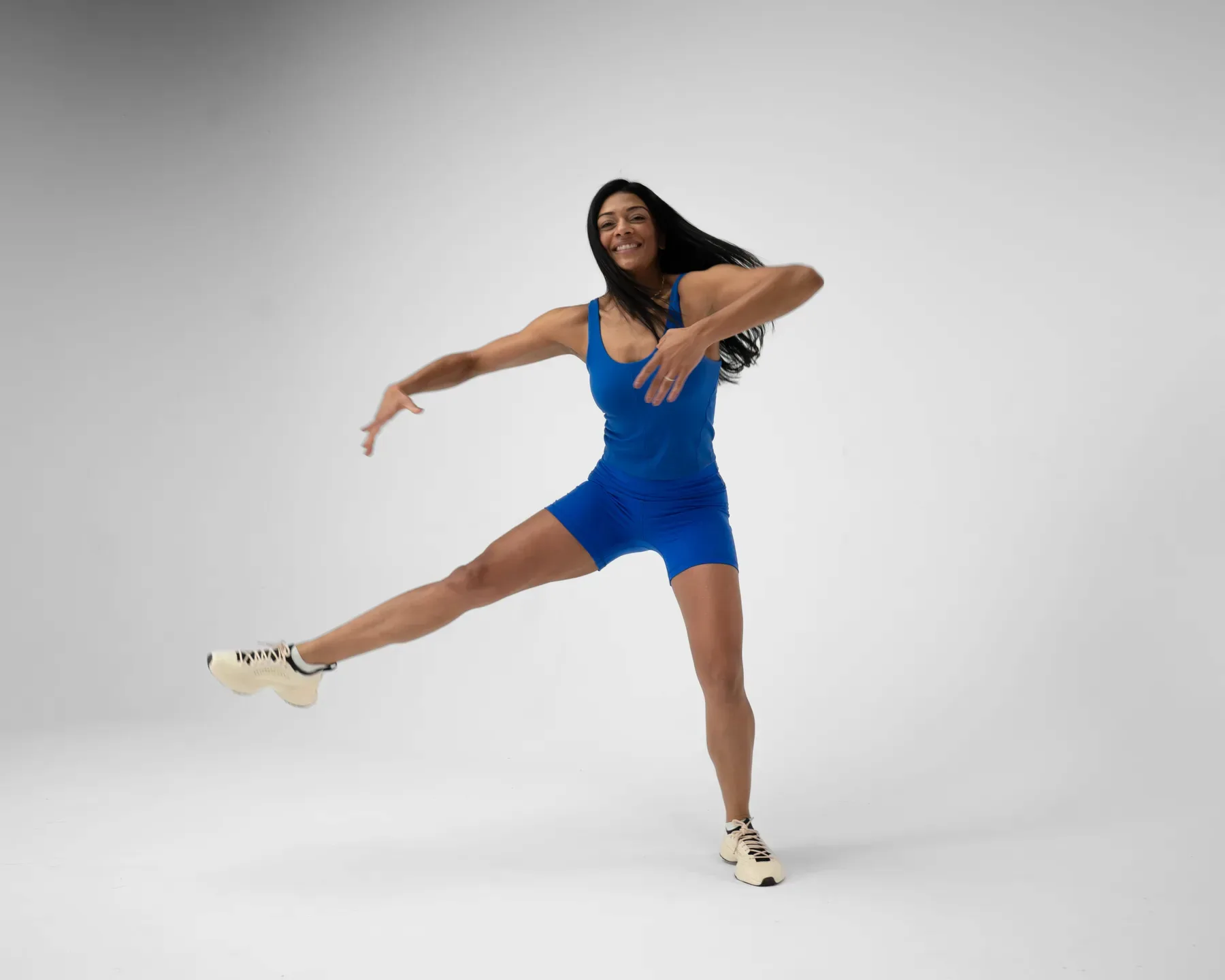
Divya balanced on one leg, the other extended behind her, arms out

Pillar three

Cardio

Estrogen has been protecting your heart, and through the transition that protection fades. The advantage you've had over men quietly disappears, and almost nobody mentions it. It's also the most preventable thing on this page.

Intensity is precise, not constant.

The science

Cardiovascular risk accelerates through the transition, lipid profiles shift, and heart disease is the leading cause of death in women.

We build a Zone 2 aerobic base, add sprint intervals and VO₂ max work, and keep genuine low-intensity recovery movement in the mix. Long uninterrupted Zone 2 gets broken up, either with brief well-dosed high intensity or with very low intensity work like mobility, breath and pelvic floor. Midlife needs intensity and recovery together.

Divya mid-jump with arms extended

Pillar four

Pelvic Floor + Core

Around one in three women experience leaking, and it's badly under-recognised. Most advice treats this as a strength problem. What it actually takes is pressure management, a conversation between your diaphragm, your deep core and your breath.

An overactive pelvic floor is as common as a weak one, and Kegels are not the answer to both.

The science

Estrogen decline changes pelvic tissue quality, and it starts in the transition rather than after it.

We train 360° breath and core coordination, activation and relaxation both, deep core integration through dead bugs, bird dogs and heel slides, then pressure management under real load and progressive impact readiness. Coordination before intensity. Breath before load. Control before speed.

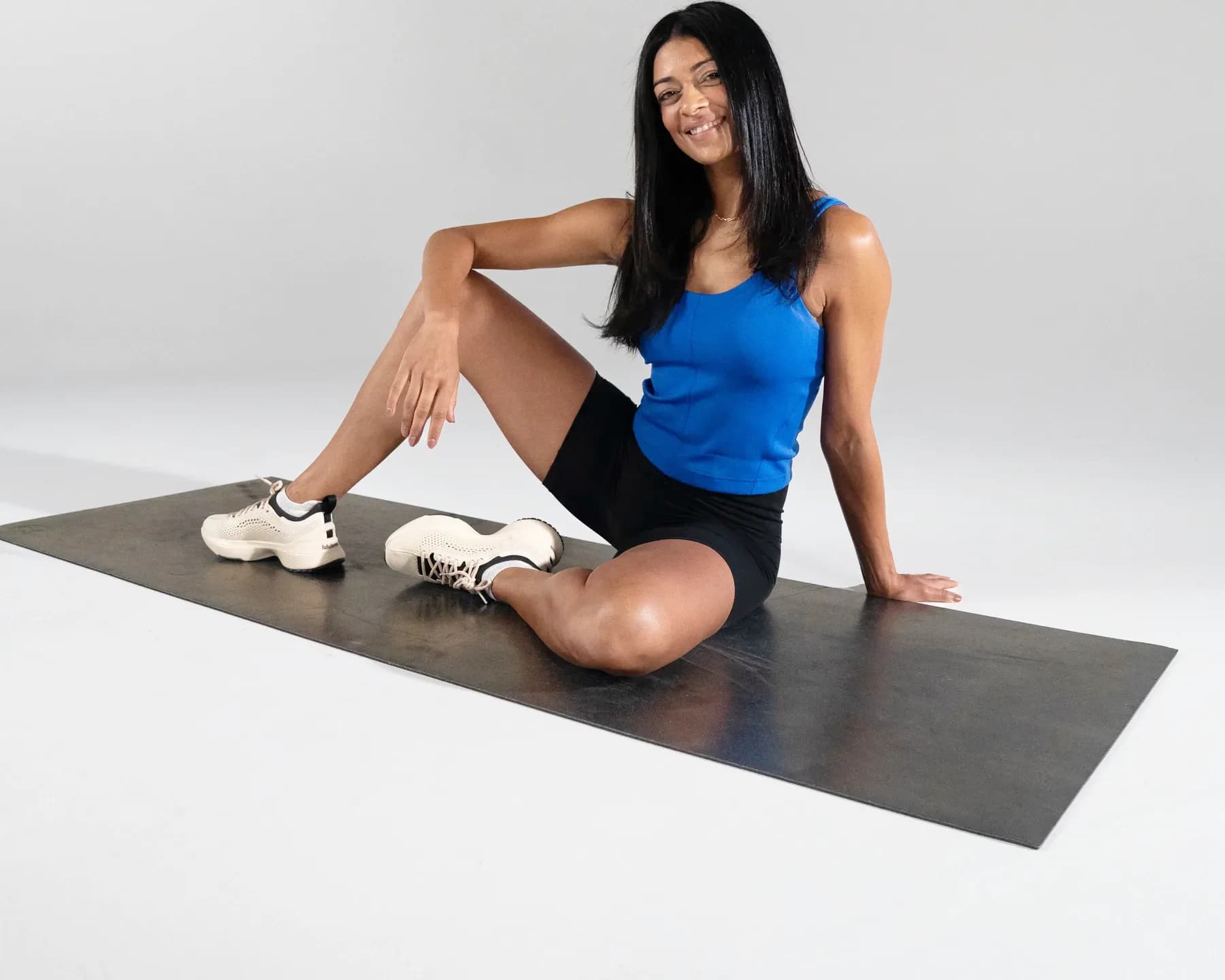
Divya seated on a mat, one knee up, breathing

Pillar five

Metabolic

Your metabolism didn't break and you didn't get lazy. The inputs changed. The trouble is that the old advice, eat less and do more cardio, makes almost every part of this worse.

Lift enough to matter. Not enough to drain.

The science

As estrogen falls, insulin sensitivity drops, visceral fat increases and lean muscle declines. Muscle is the lever, and it's the one you can start pulling today.

Resistance training comes first and is non-negotiable, supported by strategic Zone 5 and sprint intervals, Zone 2, and carefully dosed muscle endurance. Muscle first, not calorie burn. No endless HIIT and no long grinders, because chronic cortisol undoes the work.

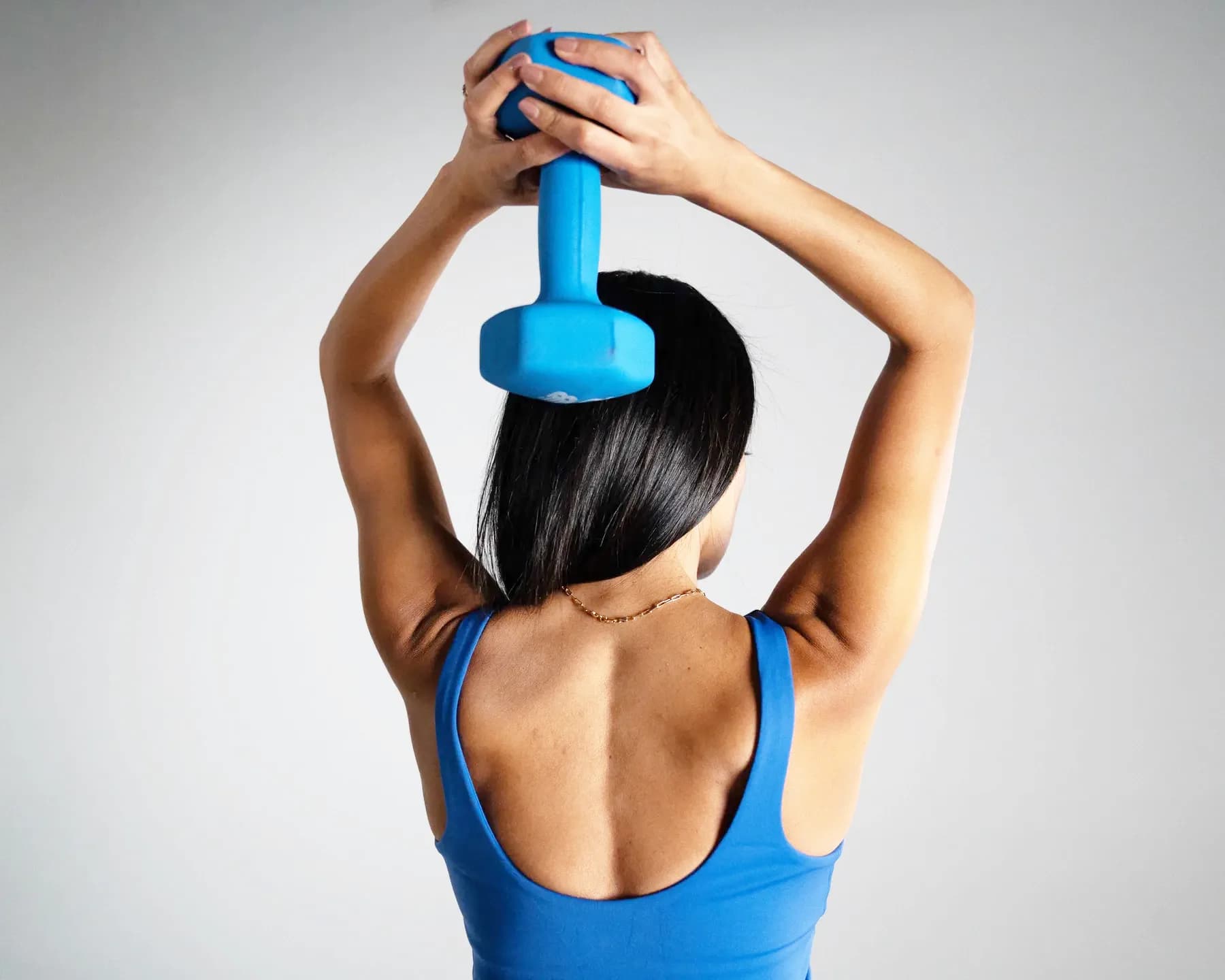
Divya from behind, pressing a dumbbell overhead

Five pillars, one set of rules.

  • Load beats volume.
  • Intensity is dosed with precision.
  • Chronic cortisol undoes the work.
  • Recovery is where adaptation happens.
  • Your total stress load decides the result.

Most programs built for women in midlife offer you more. More reps, more sweat, more discipline, as though the problem were your willpower. What actually works is precision.

Thirty minutes. All five systems.

Continuous, music-led, lightly coached, with a reason spoken over every block. You’re never wondering why you’re doing something, and you’re never being shouted at.

3–4 min
Warm-up. Neuro, pelvic floor and cardio at once. Cross-body reaches, reverse lunge and reach, grapevine.
12–15 min
Main. A strength sequence, two or three times through. Goblet squat, reverse lunge and raise, weighted hip raise, row into plank knee touch.
12 min
Cardio. Grapevine and knee drive, jacks with breaks, side steps and skaters, step-hop into a fast run.
5–6 min
Core and pelvic floor. Glute bridge, dead bug, heel slides, bridge march. One minute of stillness at the end.

“All weights should feel heavy but safe. You shouldn’t be able to move fast. That’s by design.”

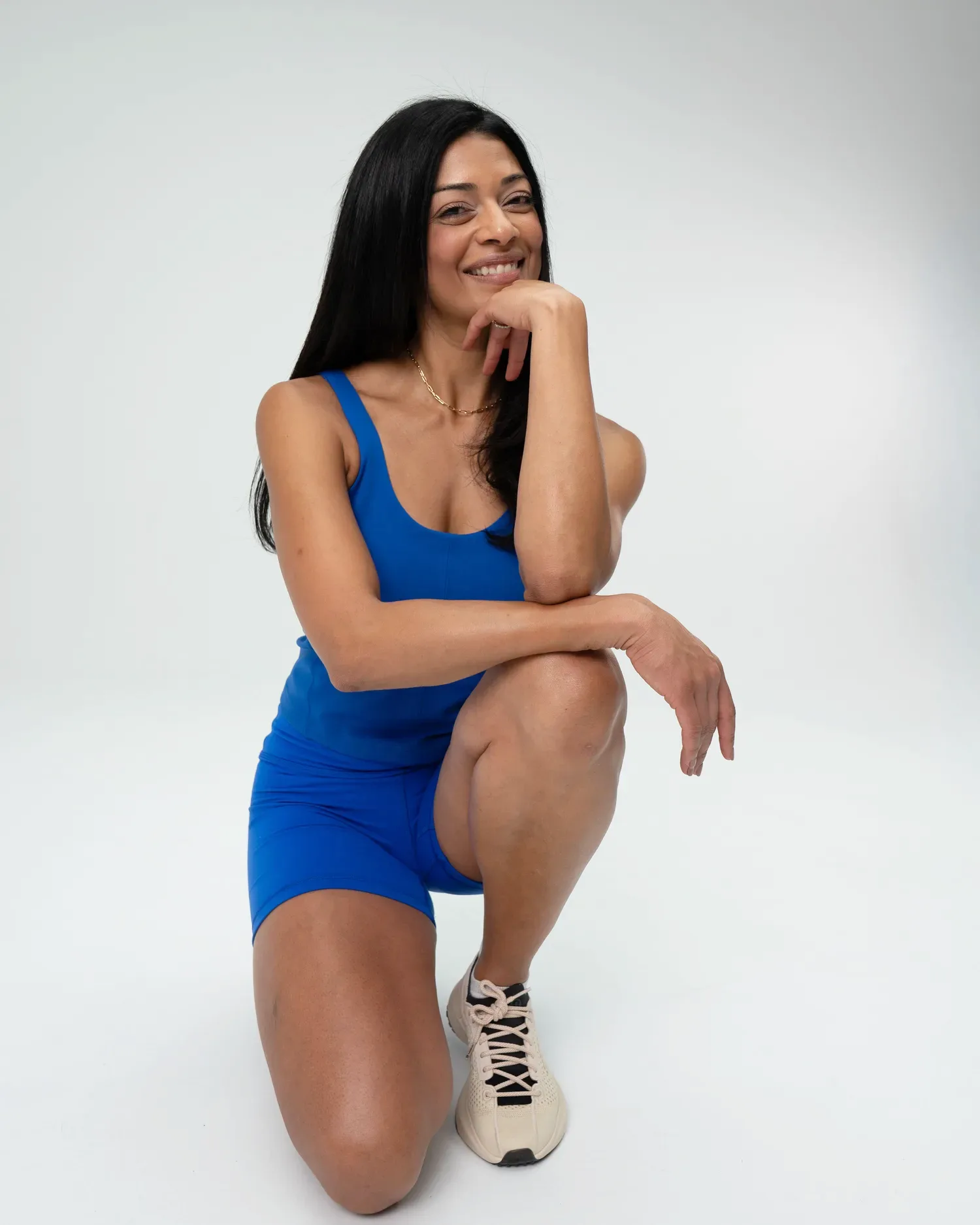
Divya seated, resting her chin on her hand

The method on this page is Divya Thakore’s. PT certified, a trained dancer, and two years of research behind every claim above.

Stay strong with me.

Three classes a week. At home, with weights you already own. All five systems, every week, and a playlist worth turning up.

Join the waitlist